
re | search
Past research
Completed studies from the podiatric medicine and surgery residency.
The Glucose Gamble: which steroid dosage is a better bet in diabetics?
1 Residency Director, HCA Florida Oak Hill Podiatric Medicine and Surgery. 2–4 Resident, Podiatric Medicine and Surgery, HCA Florida Oak Hill Hospital.
Purpose
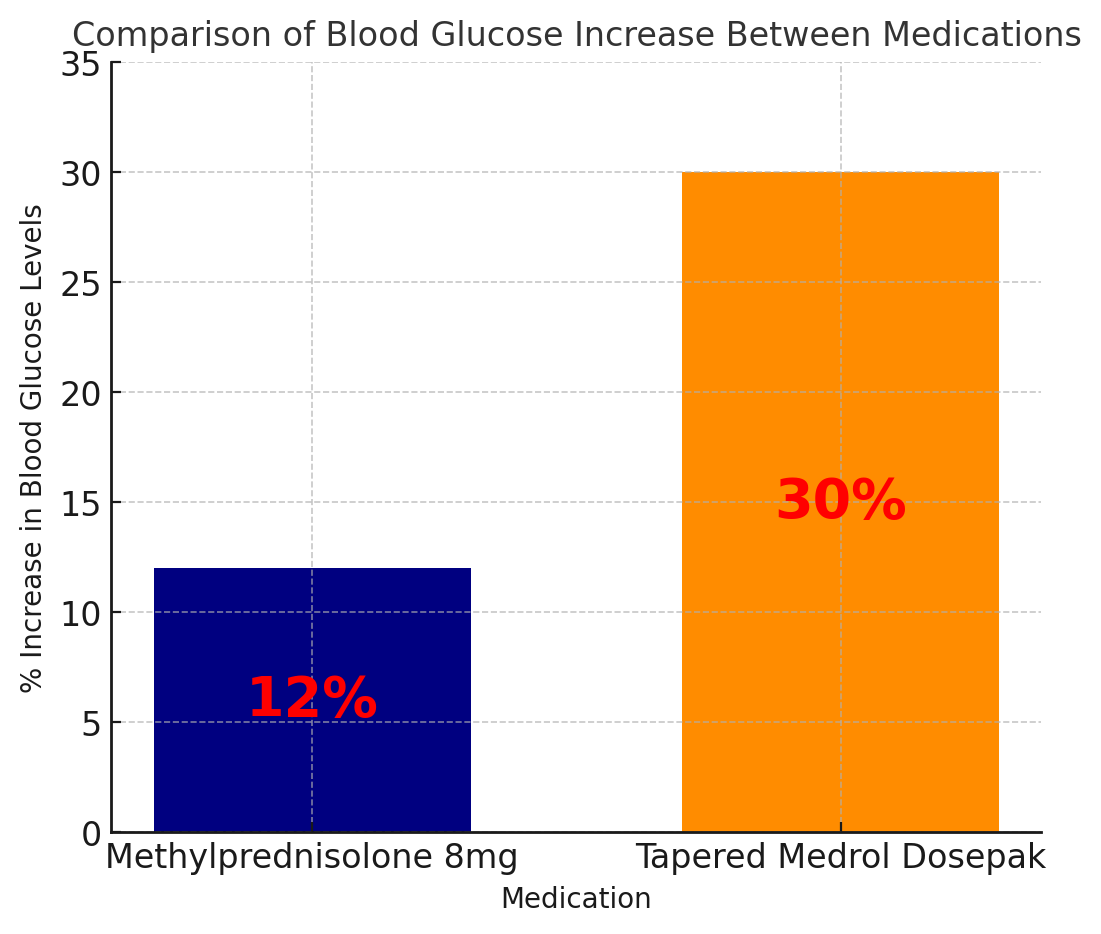
Evaluate and compare blood glucose variation in diabetic patients taking either a fixed dose of 8 mg methylprednisolone or the tapering-dose Medrol Dosepak daily. We hypothesised that the Medrol Dosepak would cause a greater increase in blood glucose than 8 mg methylprednisolone.
Literature review
- Corticosteroids can induce hyperglycemia, which in turn can lead to increased morbidity and mortality.
- The development of corticosteroid-induced hyperglycemia and diabetes may depend on the duration of the treatment course. Lower dosages used for longer durations may be associated with hyperglycemia, suggesting the effect may be dose-cumulative.
- Corticosteroid use has been associated with numerous side effects, including steroid-induced hyperglycemia and steroid-worsened diabetes.
- Methylprednisolone 4 mg/day does not stimulate the HPA axis.
Method
- Single-centre, prospective study.
- N = 15 for the methylprednisolone group; N = 15 for the Medrol Dosepak group.
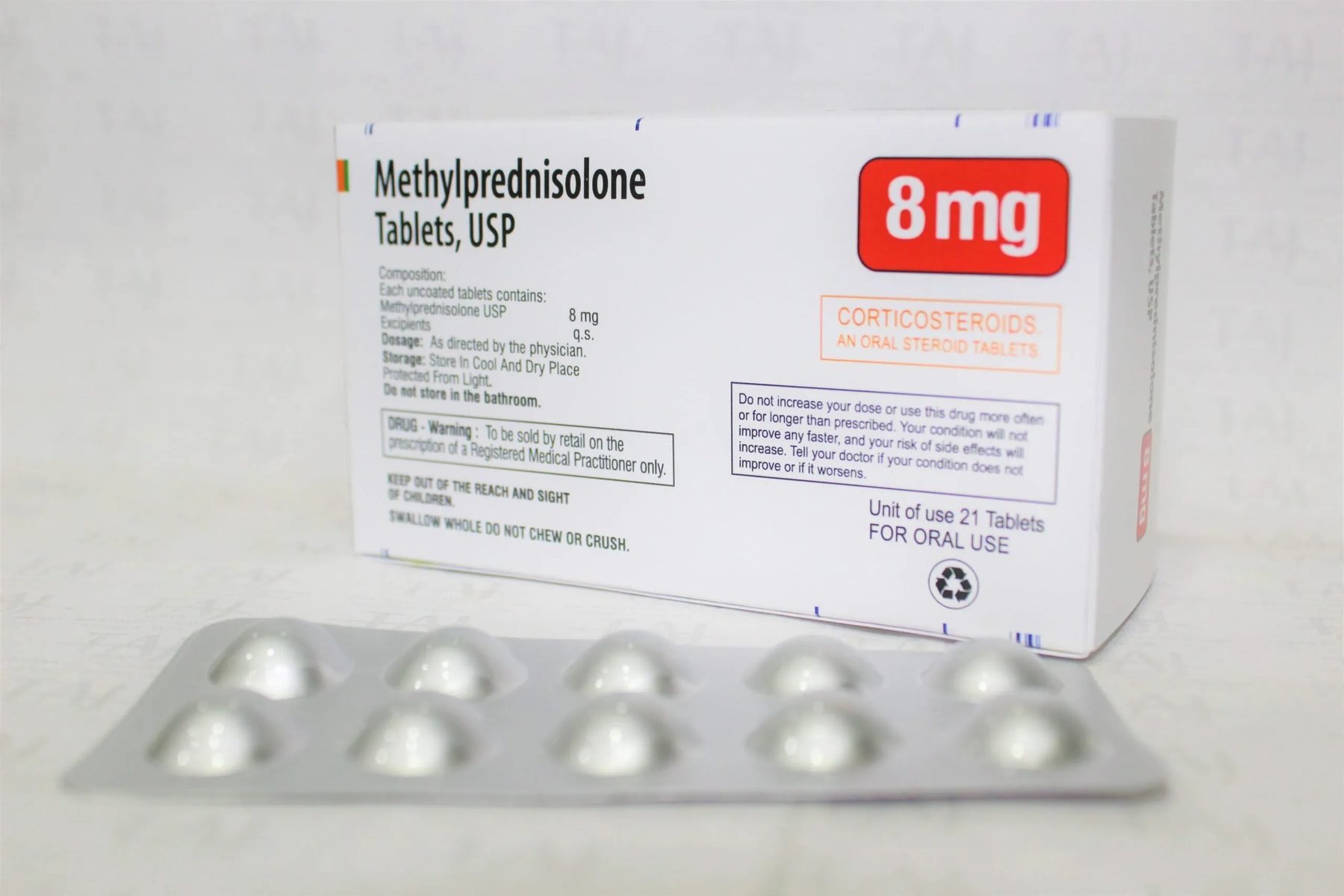
- Provider prescribed methylprednisolone 8 mg for 6 days, monitoring blood glucose daily.
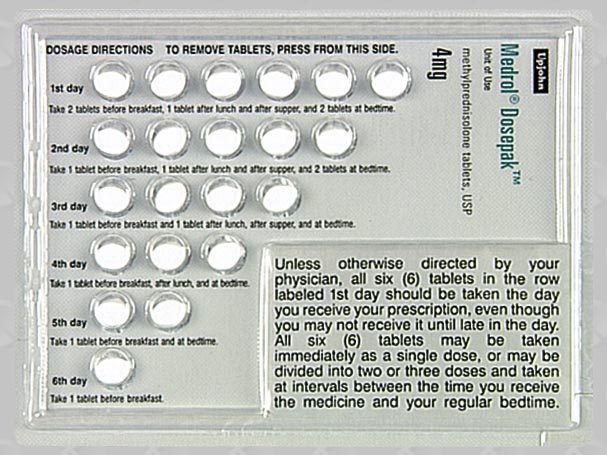
- Provider prescribed Medrol Dosepak 4 mg for 6 days, monitoring blood glucose daily.
- All patients were given a blood-sugar logging sheet, asked to log daily, and to bring the log to their next follow-up appointment.
- Patients were advised to stop the steroid if they experienced a substantial increase in blood sugar.
Data & images
Discussion
Corticosteroids, including methylprednisolone, are commonly prescribed for their potent anti-inflammatory properties. However, they can induce hyperglycemia — a well-known risk with comparatively little guidance for those at risk of glucose intolerance.
As hypothesised, our results demonstrated a significantly greater increase in blood glucose in patients receiving the tapered Medrol Dosepak compared with those on a fixed-dose methylprednisolone regimen. Average increase in blood sugar was 12% on methylprednisolone 8 mg versus 30% on the Medrol Dosepak. The 8 mg dose does not raise blood glucose at the beginning and then averages out; the Medrol Dosepak peaked at day 5.
The observed difference can likely be attributed to the pharmacokinetics and dosing pattern of the Medrol Dosepak. Its tapering nature releases a dose of a fast-acting corticosteroid, potentially causing greater fluctuation in glycemic control. By contrast, the fixed daily dose of methylprednisolone may maintain more stable corticosteroid levels, producing a less pronounced effect on blood glucose.
Limitations: single-centre study, small population, reliance on patient reporting compliance.
Conclusion
Our study highlights the need for tailored corticosteroid regimens in diabetic patients. The Medrol Dosepak, while effective for its indications, carries a greater risk of hyperglycemia than a fixed 8 mg dose of methylprednisolone. Health-care providers should weigh these risks when selecting corticosteroid treatments and implement strategies to minimise adverse glycemic effects.
References
- Tsai C., Lin J., et al. (2000). “The clinical efficacy of different types of oral steroids on capillary blood glucose levels of hospitalised patients with well-controlled diabetes.” Journal of Clinical Endocrinology & Metabolism, 85(4): 1761–1766. DOI: 10.1210/jcem.85.4.6548.
- Dehneva N., Miller N., Graham S., et al. (2016). “Effectiveness and control of steroid-induced hyperglycemia in hospitalised patients with chronic disease.” Journal of Clinical Pharmacy and Therapeutics, 41(3): 331–337. DOI: 10.1111/jcpt.12351.
- American Diabetes Association (2019). “Diabetes care in the hospital: standards of medical care in diabetes.” Diabetes Care, 42(S1): S115–S128. DOI: 10.2337/dc19-S005.

This research was supported (in whole or in part) by HCA Healthcare and/or an HCA Healthcare
affiliate. The views expressed in this publication are those of the authors and do not
necessarily represent the official views of HCA Healthcare or any of its affiliated entities.